A Guide to Leave No Trace (LNT)
Being a Leave No Trace Aware Photographer isn't just about loving the outdoors and choosing beautiful locations for photos. It means understanding that when your work is built around natural spaces, you're taking on a level of responsibility for how those spaces are experienced, used, and ultimately preserved.
It's not something that sits on the surface of what we do. It shapes how we choose locations, how we plan sessions, how we move through a space while we're there, and how we guide the people who trust us to bring them into these environments. Every decision, from the first conversation to the final moments of a session, has the potential to either protect a place or contribute to its wear over time.
That's what it actually means to do this work in a way that aligns with Leave No Trace.

How We Practice Leave No Trace as Photographers
For us, this starts long before a camera ever comes out. When we're helping plan an elopement or portrait session, we're not just thinking about what will look good in photos. We're paying attention to whether a location can realistically handle foot traffic, whether photography is permitted there, and whether it's a space that's already experiencing pressure from increased use. Some places are resilient and can handle that kind of activity, while others are far more fragile, even if they don't appear that way at first glance.
That awareness carries into how we build your timeline and structure your experience. We consider how a location is used throughout the day, when it's busiest, and how to move through it in a way that feels intentional rather than disruptive. Sometimes that means choosing a different time, a slightly different area, or adjusting expectations so that experience aligns with what the environment can support.
And when we're actually out there with you, it becomes even more subtle. We're paying attention to where we're stepping, how long we're staying in one place, and whether a certain spot is appropriate to use at all. If something requires stepping off trail into vegetation, climbing onto an area that's eroding, or rearranging elements of the landscape to make a photo work, that's usually our cue to shift directions instead of forcing it.
It's not restrictive when you're in it. It feels natural, because it's based on reading the space as it exists rather than trying to change it to fit our uses.
Where Leave No Trace Stemmed from for Couple o' Mittens Photography
Before we ever picked up cameras, Leave No Trace was already integrated in how we interacted with the outdoor spaces we love to visit. Hiking, exploring, and finding ourselves in places where you quickly learn that you're not in control of the environment around you. In those spaces, you become more aware of how much your presence matters, even in the smallest of ways. The more time we spent outside together in those environments, the more natural it became to move through them carefully, to think ahead, and to respect that land we are visiting.
When we stepped into photography, it wasn't about adopting a new philosophy as much as it was about carrying that same mindset into the way we work with other people. The difference now is that we're not just responsible for ourselves - we're responsible for how we lead others through these beautiful spaces, too.
The 7 Principles of Leave No Trace
The Leave No Trace principles are introduced as a simple list, but the real value comes from actually understanding how they play out in real-time. When you bring photography and exploring into the mix, each on takes on a slightly different layer, because you're no longer just passing through a place, you're intentionally interacting with it.
#1 Plan ahead & prepare
This is where everything starts, and honestly, where most of the impact is either prevented or unintentionally created. In photography, planning ahead goes far beyond just choosing a pretty location for a backdrop. It means understanding whether photography is allowed in a space, whether permits are required, how many people that area can realistically support, and what time of day will allow us to move through it without adding pressure to an already busy environment.
It also means preparing for the conditions of that space so we're not making last-minute decisions that lead to cutting corners, like stepping off trail to create a shortcut or trying to force a timeline that doesn't align with the environment. When this part is done well, everything else tends to fall into place much more naturally.
#2 Travel & Camp on Durable Surfaces
This is one of the biggest ways photography can unintentionally cause damage, because the instinct is often to move around for the best angle or a cleaner background. In practice, this means we stay on established trails, rock, sand, or other surfaces that are meant to handle foot traffic. It also means being mindful of areas that may look sturdy, but are actually fragile underneath, like dunes, moss, or alpine vegetation.
When we're guiding a session or elopement, we're constantly making small decisions about where we position ourselves and how we move, choosing locations that allow for beautiful images without requiring us to step into places that can't recover easily.
#3 DIspose of waste properly
Most people think of this as simply not leaving trash behind, but in photography, it tends to go a bit further than that. Anything we bring into a space leaves with us, including things that are easy to overlook like packaging, hair ties, bobby pins, drink containers, or pieces of bouquet wrap. Even items that feel harmless, like biodegradable materials, don't always break down the way people expect and can still disrupt the environment. It also means being thoughtful about what we bring in to begin with, keeping things simple and intentional so there's less risk of anything being left behind.
#4 LEave What You Find
It can be tempting to adjust a space to make it feel more "perfect" for photos, whether that's moving branches, clearing an area, or picking flowers to use as a part of the scene. But every element in a natural space plays a role, even if it seems small or insignificant.
In photography, this principle means working with what's already there instead of changing it. If something doesn't feel quite right visually, we adjust our perspective or positioning rather than altering the environment itself. Over time, this becomes less about restraint and more about learning how to see a place as it is.
#5 Minimize Campfire Impact
While this doesn't apply to every session, it becomes important anytime fire or heat-based elements are involved. Many natural areas either restrict or completely prohibit fires because of the risk they pose, especially during dry seasons. In the photography business, this also includes things like candles, lanterns, smoke bombs, or sparkers, which can introduce both fire risk and environmental impact.
When those elements are part of the vision, we look for alternatives that create similar feel without introducing unnecessary risk, or we choose to incorporate them only in locations where they are clearly permitted, controlled, and safe.
#6 Respect Wildlife
If you don't already follow the National Park Service on Instagram... you should. It's one of my favorite accounts solely because they are constantly highlighting people directly neglecting this principal. "If not friend, why friend shaped?" simply does not apply here, no matter how badly you want to pet the bison, bear, wolf, etc.
No matter what you are doing, where you're doing it, or how you're doing it, always keep a respectful distance to wildlife, do not attempt to interact with or feed wildlife, and allow those moments to happen naturally if they do at all. It can be tempting to move closer for a better photo, but doing so can disrupt behavior and create stress for the animal.
We approach these moments with patience and awareness, capturing what unfolds without interfering, and understanding that not every moment is meant to be turned into a photoshoot.
#7 Be Considerate of Other Visitors
Even when a moment feels personal or private, these are are still share spaces. In the photography business, this means being aware of how much space we're taking up, avoiding blocking trails or viewpoints, and working around others in a way that feels respectful rather than intrusive. It also plays into how we plan sessions, choosing locations, and times that allow for a more natural experience without competing for space.
There's a balance between creating something meaningful for you and recognizing that other people are their for their own experiences as well, and part of our roles is navigating that in a way that feels seamless for all involved.
When all these principals come together, they stop feeling like separate rules and start to shape a more intuitive way of moving through a place. In photography, that awareness becomes part of the process, guiding decisions in a way that protects the environment while still allowing for meaningful and connected experiences.
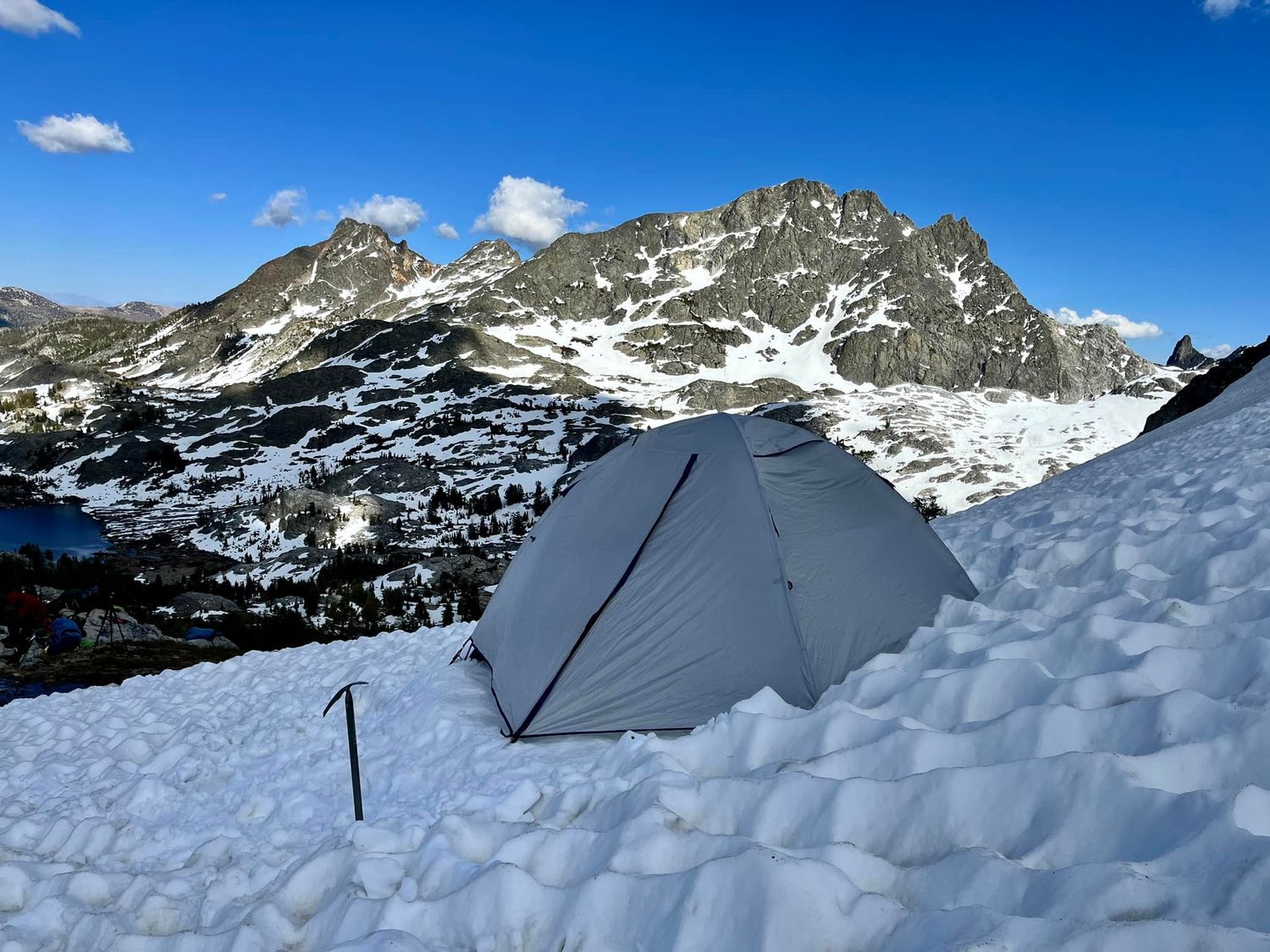
Planning an outdoor portrait session or elopement involves more than choosing a beautiful location. Every landscape comes with its own set of considerations, from how it's accessed, to how it's used, to how it's impacted by the people moving through it.
We help couples navigate those details in a way that feels natural and intentional from beginning to end. That includes guiding you toward locations that align with both your vision and the environment itself, building timelines that allow us to move through a space without rushing or disrupting it, and helping you understand what's permitted, what's protected, and how to approach it all responsibly.
Our approach is rooted in the time we've spent in these places long before we ever brough a camera with us. Hiking, exploring, and returning to the same landscapes season after season has given us a deeper understanding of how these environments change, what they can handle, and what they need from us in order to stay the way they are.
If you're drawn to the idea of being somewhere that feels open, quiet, and connected to the natural world, we'll help you experience it in a way that honors the space just as much as the moment you're there for. Whether you're planning an elopement, a portrait session, or simply want to be somewhere that feels a little more removed from the noise, your experience can be shaped around what feels meaningful while still protecting the place it happens in. If that sounds like your kind of experience, you're our kind of people.
